
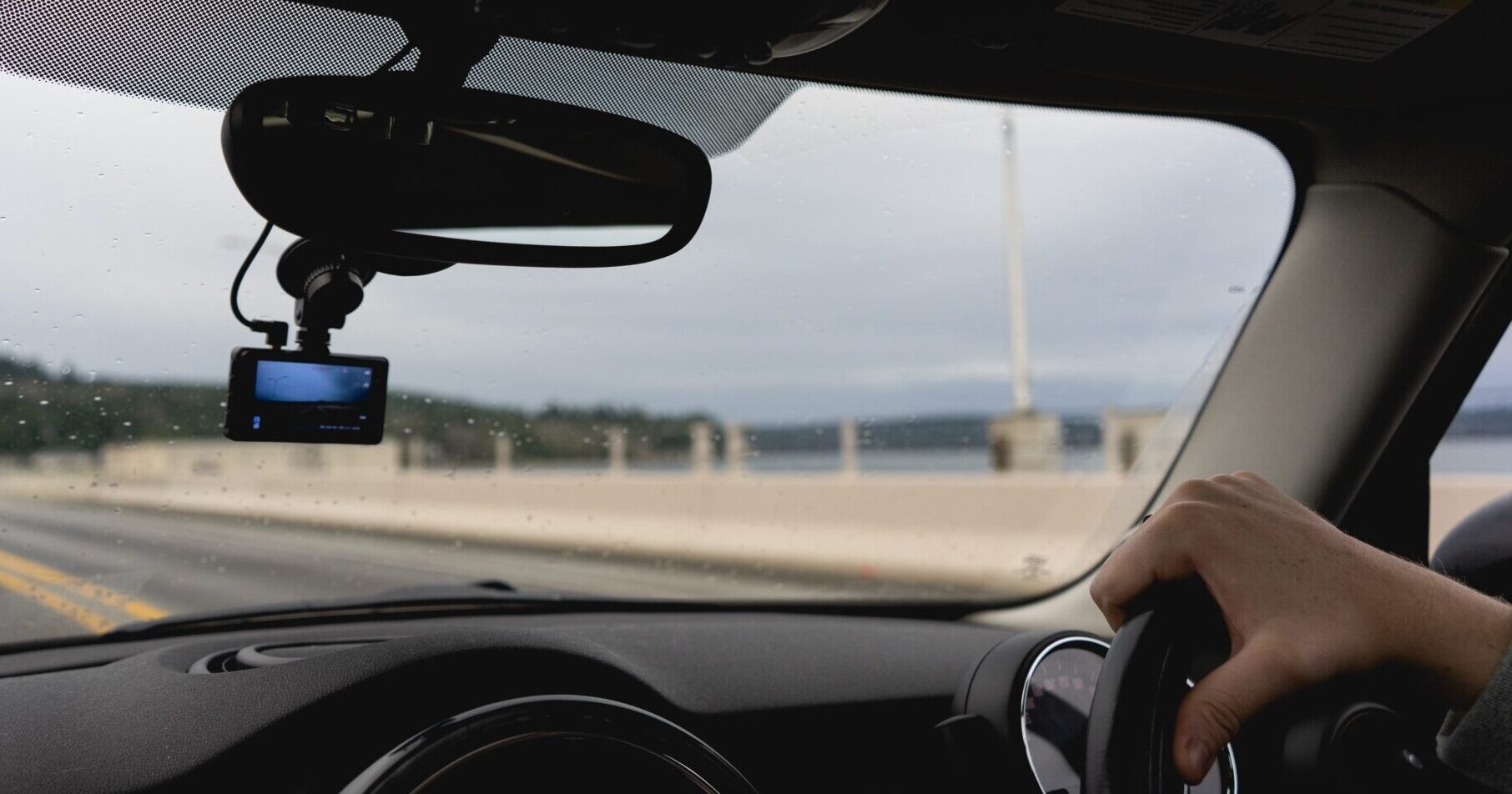
Fraud on the road doesn’t always look like fraud. Sometimes it looks like a nervous driver who “barely tapped you.” Sometimes it looks like a sudden brake-check that leaves you stunned, hands shaking on the wheel, wondering how you’ll ever prove what really happened. And sometimes it looks like a polite stranger who steps out of a car already rehearsing a story—one that paints you as the villain before you’ve even caught your breath.
If you’ve ever driven home replaying a close call in your head, you already know the hard part: memory is fragile, and shock edits details. That’s why video evidence has become such a powerful ally. With the right setup and habits, you can protect yourself from staged crashes, false claims, and “creative” insurance narratives—without turning every commute into a courtroom drama.
This guide walks you through how to use dash cam footage to fight fraud, what to capture, what to say, what to save, and how to avoid the most common mistakes.
Table of Contents
Why a dash cam changes everything (and why fraud hates it)
Fraud thrives in fog—confusion, missing context, and competing stories. When an incident happens fast, the person who sounds most confident can feel most believable, even when they’re wrong. A dash cam clears the fog. It doesn’t argue. It doesn’t forget. It simply shows what happened.
And that matters because fraud rarely arrives wearing a label. It blends into ordinary moments:
- A driver swerves into your lane, then claims you “came out of nowhere.”
- A passenger suddenly “appears” at the scene and later reports injuries.
- A minor bump becomes an exaggerated, expensive claim.
- A staged collision is designed to make you look at fault.
You don’t need to be paranoid to be prepared. You just need a clean, time-stamped record that can stand up when emotions, stress, and pressure start twisting the story.
A quick anecdote about the word attach: you may remember how, years ago, you’d attach a photo to an email and feel oddly powerful—like proof had finally become portable. The first time you need to attach a short clip of a crash to an insurance claim, that same feeling returns, only stronger. Suddenly, the conversation shifts. You’re not “insisting.” You’re showing.
What to look for when choosing a dash camera
Not all devices are equal, and fraudsters count on low-quality footage that can’t answer the crucial questions: Who moved first? Who had the right of way? Was the light green? Did the other driver signal?
Here’s what you want to prioritize:
– Resolution and night performance: 1080p is the floor; 1440p or 4K helps with plates and signage. Night clarity matters as much as daytime sharpness.
- Wide dynamic range (WDR/HDR): Helps in glare, sunsets, and harsh headlights.
- Frame rate: 30fps is fine; 60fps can capture fast motion more clearly.
- Front and rear coverage: Rear video can stop “you backed into me” claims cold.
- GPS and speed stamping: Not always perfect, but often helpful for context.
- Loop recording and G-sensor locking: So key clips don’t get overwritten.
- Parking mode: Helpful when fraud happens while you’re not even in the car.
If you’re installing a car dash cam, think about it like a seatbelt: the best model is the one that’s always there, always working, and easy to trust.
How to set it up so the footage actually helps YOU
A camera can’t protect you if it’s pointed at the sky, blocked by a sticker, or smudged into a blurry watercolor of headlights.
Use this quick checklist:
- Mount position: Place it high and centered behind the rearview mirror so it sees the road, not your dashboard.
- Angle: Capture the horizon and at least a little of your hood—too high and you lose context; too low and you miss signals.
- Clean the lens and windshield: Tiny grime becomes massive blur at night.
- Set time and date correctly: A mismatch can create needless doubt.
- Audio settings: Audio can capture admissions (“I didn’t see you”), but check local consent rules.
- Test at night: Do a short drive and review footage for plate readability.
A short anecdote about attract: you’ve probably watched a moth spiral toward a porch light. It’s not evil; it’s just drawn in. Fraud works similarly—certain intersections, certain traffic patterns, certain predictable behaviors attract opportunists. When your camera is correctly positioned and reliable, you stop being the easy light in the dark.
Common fraud scenarios your footage can shut down fast
Fraud isn’t always sophisticated. It’s often repetitive, almost scripted. The good news: video is the script-breaker.
Brake-check and “swoop and squat”
A car cuts in front of you, then slams the brakes. Without footage, you’re fighting uphill because rear-end collisions often default to your fault. With clear video, you can show unsafe lane changes and sudden braking.
Red-light disputes
One driver claims they had green. Your footage can capture the signal, cross-traffic flow, and timing.
Phantom passengers and injury inflation
Video can show who was in the vehicle and how people behaved immediately after impact. That matters when injuries are later described as catastrophic despite calm, normal movement at the scene.
Parking lot taps turned into “major impacts”
A small bump can become a major claim when there’s no objective record. Parking mode footage can clarify speed, contact point, and intent.
Hit-and-run and plate capture
Even partial plates, vehicle color, decals, and direction of travel can help police and insurers.
When you use a dash camera consistently, you’re not just recording accidents—you’re recording context. Context is what fraud can’t fake easily.
After a crash: what to do with the footage (so it’s usable)
This is where many people slip. You’re shaken, your heart is racing, and everything feels surreal. But a few calm steps protect you.
- Ensure safety first: Move to a safe area if possible, call emergency services when needed.
- Don’t argue your case on the roadside: Fraudsters love getting you flustered.
- Save the clip immediately: If your camera locks files on impact, confirm it worked. If not, manually save the segment.
- Back it up twice: Phone + cloud, or laptop + external drive.
- Write a quick timeline: Just a few bullets while details are fresh.
- Share strategically: Provide footage to police and your insurer. Avoid posting publicly; it can complicate claims.
A short anecdote about gemmiferous: the word means “bearing gems,” and it fits here more than you’d think. Inside that tiny memory card, your footage can be gemmiferous—packed with small, glittering facts: the turn signal blinking, the lane marker, the exact moment the other car swerved. Tiny details that look ordinary until they save you.