


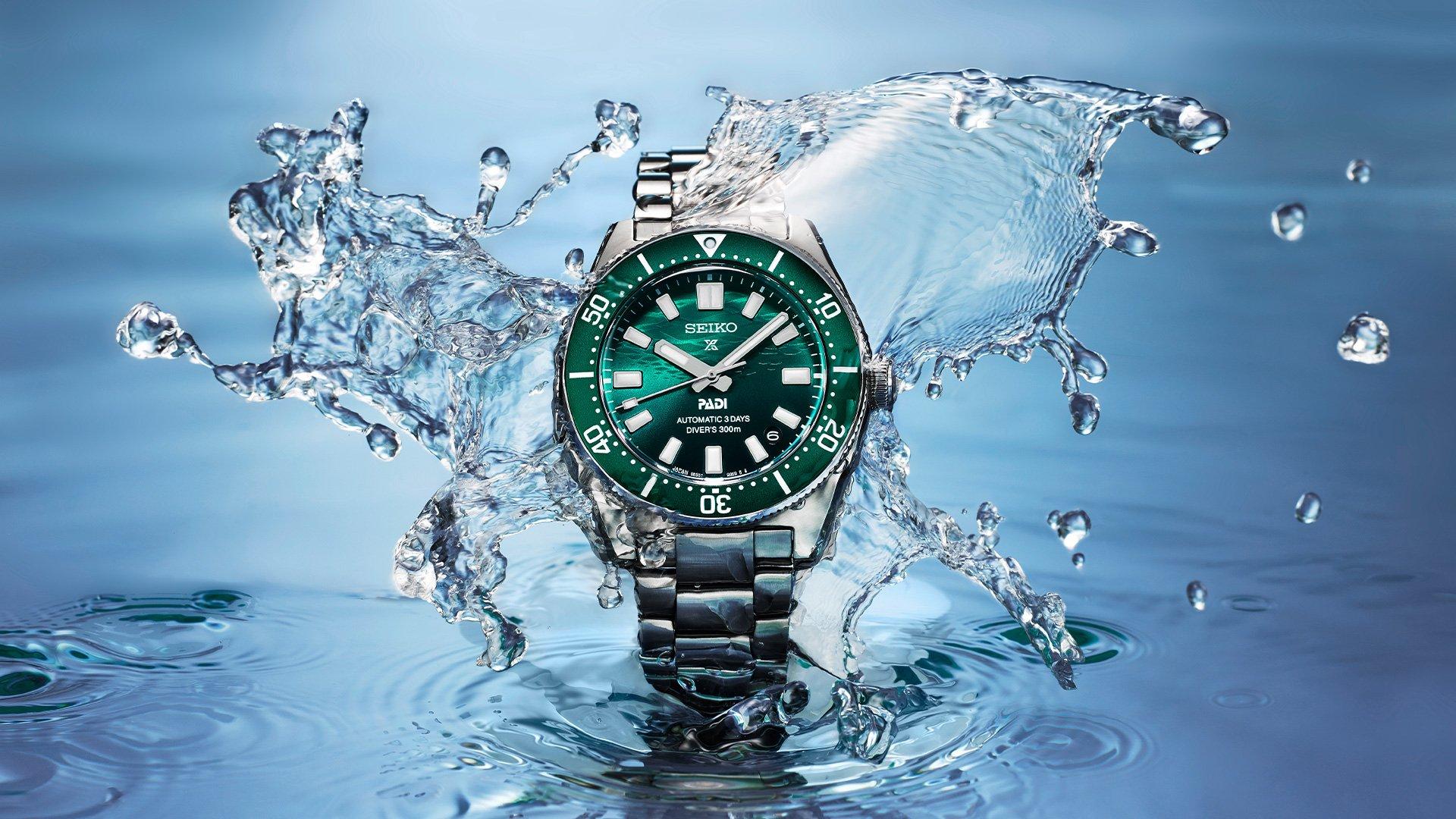
A wristwatch still earns its place in daily life, even in a world where phones display the time at a glance. It offers instant readability, a personal sense of style, and a quiet signal of professionalism that no pocket device can quite replicate. From classic Swiss designs to robust Japanese options like seiko watches, everyday timepieces come in a remarkable range of forms — and choosing the right one takes more than a quick look at aesthetics. Drawing on experience with quartz, mechanical, and hybrid movements across different lifestyles, this guide focuses on the practical principles that separate a genuinely dependable daily wearer from a watch that spends most of its life sitting in a drawer.
What an Everyday Watch Actually Means
An everyday wristwatch is one you reach for across most settings — the office, weekend errands, casual social occasions — without worrying about damaging it or looking out of place. It is not a specialized tool like a dive computer, nor a fragile dress piece reserved for formal evenings. The defining qualities are comfort for extended wear, versatility across outfits and situations, and reliable timekeeping over the long haul. Importantly, “everyday” is a relative term: a teacher’s requirements differ meaningfully from those of a carpenter or a remote-working designer.
Key Takeaway: Before comparing any specifications, define where and how you will actually wear the watch. That single step eliminates most mismatches before they happen.
Understanding Movement Types
The mechanism inside a watch shapes how you interact with it every single day.
- Quartz movement uses a battery-powered oscillator to keep time with high accuracy and minimal upkeep. It suits anyone who values precision and convenience without the ritual of winding or periodic servicing.
- Mechanical movement — either automatic (wound by wrist motion) or manual-wind — runs on a coiled mainspring and is prized for its craftsmanship and the characteristic smooth sweep of its seconds hand. It does require professional servicing at regular intervals to maintain accuracy.
- Hybrid and solar movements combine electronic reliability with elements of traditional design, offering a practical middle ground for those who want low maintenance without committing to a purely quartz experience.
For straightforwardly practical daily use, quartz is the lower-effort choice. For those who enjoy a connection to watchmaking heritage, a well-maintained mechanical is equally viable — provided the servicing commitment is factored in from the outset.
Materials and Build Quality
Case material matters more than most buyers initially expect. Stainless steel remains the benchmark for everyday durability; titanium offers a lighter alternative with strong scratch resistance; resin and composite cases suit active or budget-focused use cases well. For the crystal protecting the dial, sapphire crystal is the most scratch-resistant option available, though it can be more vulnerable to shattering on hard impacts than mineral or acrylic alternatives. Strap choice is equally consequential: a leather strap worn daily in humid conditions or during physical work will degrade far faster than a steel bracelet or a rubber band.
Legibility, Lifestyle, and Long-Term Care
Legibility — the ease of reading the time at a glance — is often undervalued in favour of busy, fashionable dials. High-contrast hands, an appropriate dial size, and luminous markings for low-light conditions all contribute to a watch that actually functions well in daily life rather than simply looking good on a shelf.
Matching the watch to your environment is fairly straightforward: indoor and office settings favour clean, moderately sized designs, while physically demanding or outdoor roles call for stronger cases, better water resistance, and more secure strap attachments.
On the maintenance side, even a quartz watch benefits from routine care — wiping down the case and bracelet, avoiding hard knocks, and keeping it away from extremes of heat or cold. Mechanical watches require professional servicing at intervals recommended by watchmakers in order to preserve both accuracy and movement longevity.
Common Mistakes Worth Avoiding
The most frequent misstep is buying based on trend or brand recognition alone, only to discover the watch is uncomfortable, impractical, or unexpectedly costly to maintain. A reliable everyday watch is ultimately defined by fit, durability, and usability — not by logo or price point. Factor in long-term servicing costs, try different strap materials where possible, and consult independent technical reviews rather than relying on marketing materials.
The right everyday watch is simply the one that feels natural on your wrist and dependable in your life. Start with a short personal checklist — movement preference, case material, style, maintenance tolerance — and let those criteria guide your comparisons rather than the other way around.