


Table of Contents
1. Where the Idea Begins
Ada first raised the question while reviewing several notes on fashion design.Why had the women bag become such an important element in modern wardrobes?Clothing changed constantly,yet certain handbags remained relevant for years.
Beatrice considered the question carefully.In her view,the answer involved both function and design.A handbag accompanies daily routines in ways that clothing rarely does.It moves from morning schedules to evening plans without interruption.
Ada agreed.She believed that a handbag often worked as a central element within an outfit.Even when garments varied in color or texture,the bag frequently remained consistent.
Their discussion moved beyond seasonal trends.Instead of thinking about handbags as temporary accessories,they began considering them as long-term design choices.
That change in perspective reshaped the conversation.
Rather than asking which bags were fashionable at a certain moment,Ada and Beatrice began examining a different question.
What qualities allow a handbag to remain convincing over many years?
2. Where Good Design Begins
Beatrice opened her laptop and began exploring different design references.Inspiration often comes from examining many examples rather than relying on a single source.
One of the pages she visited was: https://www.loueio.com
The site displayed a wide range of handbag styles with different silhouettes and materials.Ada studied the images carefully,paying attention to details that many viewers overlook.
Some designs emphasized strong structure,while others relied on softer lines.Certain handbags highlighted large handles,while others explored compact proportions.
Beatrice explained that designers often review numerous references before shaping their own ideas.
Ada continued examining the designs and noticed that many successful handbags shared similar proportions.
These repeating patterns suggested that handbag design followed principles extending beyond individual trends.
Recognizing these principles helped them understand why certain designs lasted longer than others.
3. The Power of Structure
After reviewing several examples,Ada directed the conversation toward structure.
“The outline matters more than decoration,”she said.
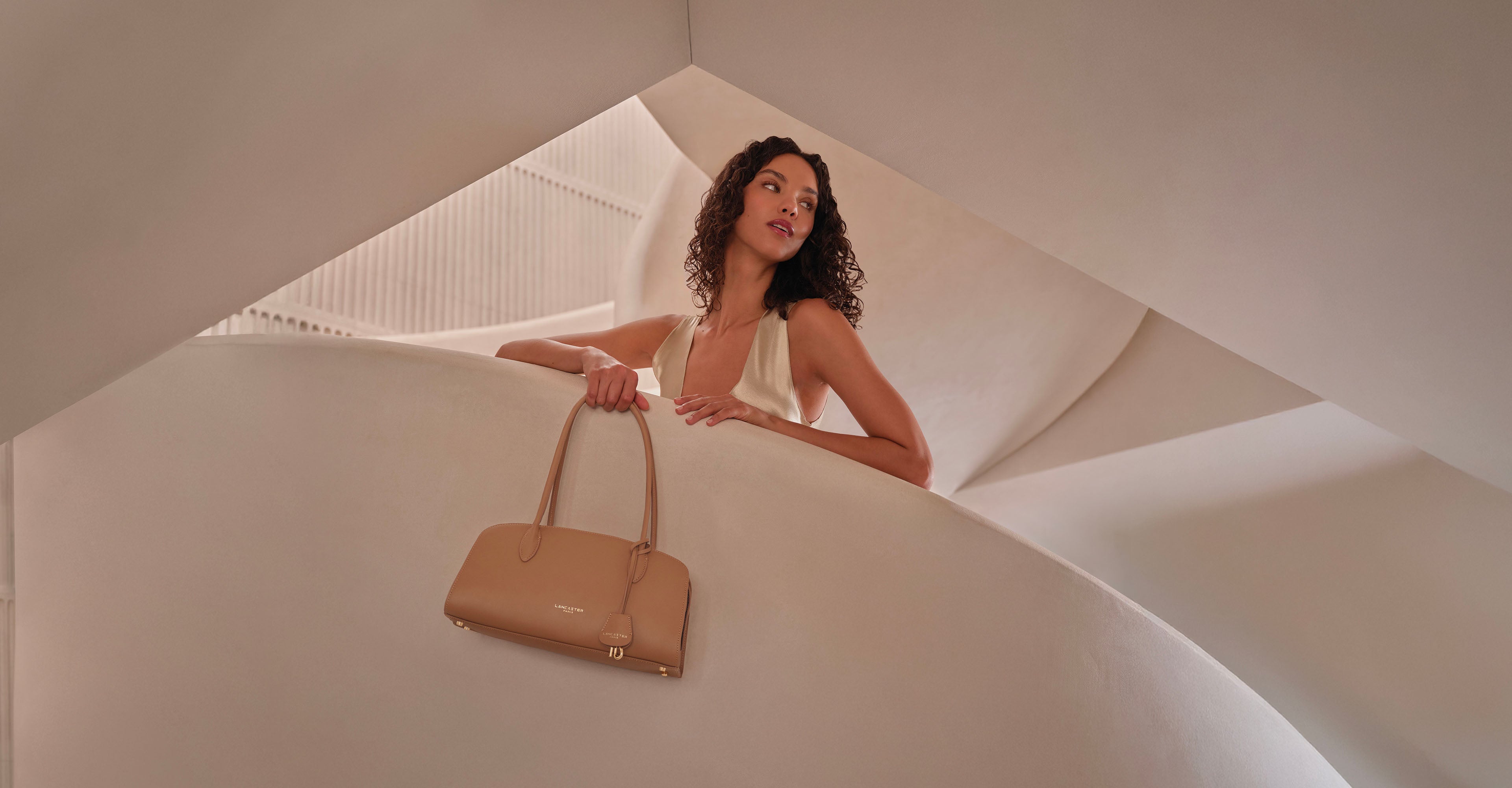
Beatrice agreed and placed a sketch on the table.The drawing showed a simple women bag silhouette with carefully considered proportions.Height,width,and handle placement created a clear visual rhythm.
A bag that looked too tall could overwhelm an outfit.One that looked too small might feel insignificant beside certain garments.
Because of this,the outline required careful attention.
Ada explained that structure was the first element she noticed when evaluating handbags.Before examining color or material,she studied the silhouette from a distance.
If the shape worked well,the rest of the design usually followed naturally.
Beatrice added that many successful handbags shared one common quality:clarity.Their outlines remained recognizable even when viewed from far away.
For both women,structure formed the foundation of handbag design.
Everything else developed from that starting point.
4. Design Across Decades
Their discussion gradually moved toward history.
Ada began comparing handbag designs from different decades.Silhouettes from the 1960s often showed compact structure,while designs from the 1970s introduced softer forms and longer straps.
Beatrice noticed that certain ideas returned repeatedly across time.Structured handbags often gained popularity again after periods dominated by softer shapes.
Fashion tends to move in cycles.
However,not every design returns.
Some handbags fade because their proportions connect strongly to a specific moment in fashion history.
Others remain relevant because their forms adapt easily to changing styles.
Ada explained that lasting designs rarely depend on complicated decoration.Instead,they rely on proportion,material quality,and thoughtful construction.
When these elements work together,the design continues to feel convincing even as clothing styles evolve.
5.When Material Defines the Bag
After discussing structure and history,Ada turned the conversation toward materials.
She picked up a piece of leather and examined its surface carefully.
“The material changes everything,”she said.
Beatrice agreed.A women bag made from rich leather carries a completely different character compared with one produced from synthetic material.
Leather develops subtle variation over time.Light interacts with its surface differently depending on grain and finishing.
Ada believed this gradual transformation gives a handbag depth.The bag reflects the experiences of its owner through daily use.
Beatrice added that hardware also plays an important role.Metal elements should complement the leather rather than dominate the design.
When hardware becomes too prominent,it distracts from the form of the bag.
Together they concluded that materials represent the second essential element of strong handbag design.
Structure provides the foundation,while material brings the design to life.
6.Design Meets Daily Life
After discussing materials,Ada guided the conversation toward function.
Design often attracts the first glance,yet daily use determines whether a handbag remains practical.Ada believed function should never be treated as an afterthought.
A handbag accompanies many routines throughout the day.It carries documents,personal belongings,and other necessities.
Beatrice explained that interior layout influences usability more than many people expect.Pockets,closures,and internal compartments can transform the experience of using a handbag.
Some designs concentrate heavily on external form while neglecting interior organization.Those handbags may attract attention at first yet lose their appeal during regular use.
Ada explained that the best designs solve practical needs while maintaining visual clarity.
When structure,materials,and function work together,the handbag gains a sense of reliability.
For both women,this combination forms the foundation of thoughtful design.
7. The Bag That Leads the Look
At this stage of their discussion,Ada introduced another idea.
Rather than thinking about handbags only as accessories,she suggested examining the role they play within the entire outfit.
Beatrice understood immediately.Clothing can work with many accessories,yet a carefully chosen women bag often determines the visual direction of the look.
A structured handbag beside relaxed garments creates contrast.
A softer design combined with tailored clothing produces a different relationship between elements.
Through this interaction the handbag becomes the visual reference within an outfit,even when the clothing itself remains simple.
Ada explained that she sometimes begins planning an outfit by considering the bag first.After the handbag is decided,selecting the rest of the garments becomes easier.
Beatrice added that the proportions of the bag influence the strength of the clothing lines around it.Larger handbags usually work well with garments that carry stronger structure,while smaller designs suit lighter silhouettes.
In this way the handbag functions as a guiding element.
A women bag can establish a visual center that allows the rest of the outfit to organize itself naturally.
8. The Role of Color
After examining structure and function,the conversation turned toward color.
Beatrice believed color played an important role in handbag design.Certain shades connect easily with many outfits,while others create a stronger visual statement.
Ada preferred tones that complemented a wide range of clothing.Neutral shades offer flexibility because they adapt easily to different garments.
However, Beatrice noted that color also allows personality to emerge.A carefully chosen shade can add energy to an otherwise simple outfit.
They compared several examples from their notes.
Some handbags rely on deep brown or black leather,emphasizing timeless style.Others explore lighter tones that introduce brightness.
Ada concluded that color should support the structure of the design rather than compete with it.
When color and structure work together,the result feels confident and refined.
9. Where Personal Taste Begins
Eventually the discussion returned to personal preference.
Ada believed that a women bag ultimately reflects individual judgment.Fashion offers many possibilities,yet each person develops a different sense of style.
Beatrice agreed. Personal taste forms gradually through experience.People explore different designs before discovering what suits them best.
Certain handbags feel convincing immediately,while others require time before their appeal becomes clear.
Ada explained that familiarity often strengthens confidence.When someone carries a bag regularly,it gradually becomes part of their visual identity.
At that stage the handbag no longer functions as a simple accessory.
Instead,it becomes a recognizable element of personal style.
10. A Bag That Lasts
Toward the end of their discussion,Beatrice described a particular women bag she had carried for several years.
The design remained simple,with clear lines and durable leather.It worked easily with many outfits,which explained why she continued using it.
Ada listened with interest.
She believed longevity often reveals the true value of a design.A handbag that remains relevant after years of use demonstrates thoughtful construction.
Trends influence short-term popularity,yet long-term relevance depends on proportion,materials,and usability.
Beatrice added that certain handbags gain character through time.Regular use creates subtle changes in the leather,giving the bag a unique identity.
11. The Bags That Stay
As their discussion reached its conclusion,Ada summarized the ideas they had explored.
Handbag design involves several essential elements:structure,materials,function,color,and personal taste.
When these elements work together, the result extends beyond temporary fashion.
Beatrice agreed.Thoughtful design allows certain handbags to remain convincing for many years.
Their conversation began with a simple question about style and gradually developed into a deeper understanding of design principles.
For Ada and Beatrice,handbags represent more than accessories.
They illustrate the relationship between design and everyday life.
And that relationship explains why certain designs continue attracting attention across generations.